Harnessing the Power of GPU Accelerators in Android Programming
Category : | Sub Category : Posted on 2024-10-05 22:25:23
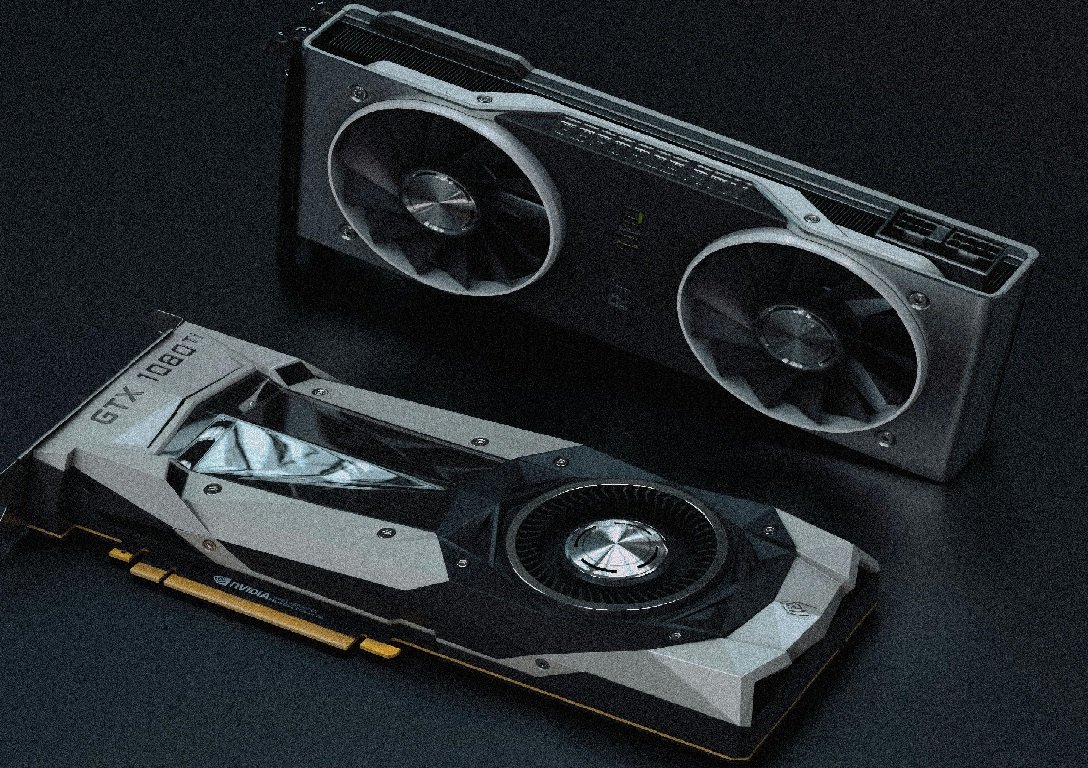
In the ever-evolving landscape of mobile technology, Android devices have become ubiquitous, offering powerful computing capabilities in the palm of our hands. To leverage the full potential of these devices, developers are constantly exploring new ways to optimize performance. One such technique that is gaining traction in Android programming is the use of GPU accelerators. GPU accelerators, short for Graphics Processing Unit accelerators, are specialized hardware components designed to offload and accelerate graphics and compute-intensive tasks from the device's central processing unit (CPU). By leveraging the parallel processing capabilities of GPUs, developers can enhance the performance of graphics-intensive applications, such as games, multimedia applications, and augmented reality experiences. In Android programming, GPU accelerators can be utilized through various frameworks and APIs provided by the Android operating system. One popular framework is OpenGL ES (Open Graphics Library for Embedded Systems), which enables developers to harness the power of GPUs for rendering 2D and 3D graphics. By offloading rendering tasks to the GPU, developers can achieve smoother animations, improved visual quality, and better overall performance in their applications. Another key technology for utilizing GPU accelerators in Android programming is Vulkan, a low-overhead, cross-platform graphics and compute API. Vulkan provides developers with more direct control over the GPU, allowing for higher performance and efficiency compared to traditional graphics APIs like OpenGL ES. By leveraging Vulkan in Android applications, developers can unlock the full potential of modern GPUs and achieve stunning graphics and computational performance. In addition to graphics rendering, GPU accelerators can also be used for general-purpose computing tasks through technologies like Compute Shaders and RenderScript. By offloading complex computational tasks to the GPU, developers can accelerate data processing, image manipulation, and other parallelizable workloads, leading to significant performance gains in their Android applications. Overall, GPU accelerators play a crucial role in optimizing performance and enhancing the user experience in Android programming. By understanding the capabilities of these hardware components and leveraging them effectively through frameworks like OpenGL ES, Vulkan, and Compute Shaders, developers can unlock new possibilities for creating immersive, high-performance applications on Android devices. As mobile technology continues to advance, harnessing the power of GPU accelerators will be essential for staying competitive in the ever-evolving landscape of Android development. If you are interested you can check https://www.grauhirn.org
Leave a Comment:
SEARCH
Recent News
- Zurich, Switzerland: Exploring Numerical Methods
- Zurich, Switzerland is a vibrant and cosmopolitan city known for its stunning natural beauty, historic architecture, and high quality of life. In recent years, Zurich has also gained recognition as a leading global financial hub and a key player in the digital economy. One interesting aspect of Zurich's thriving business landscape is its establishment as a "matrix" for various industries and technologies.
- Zurich, Switzerland is not only known for its stunning views, vibrant culture, and high standard of living, but also for its strong emphasis on mathematics education. With a rich history in the field of mathematics and a commitment to excellence in STEM (Science, Technology, Engineering, and Mathematics) education, Zurich has established itself as a hub for mathematical research and innovation.
- Tips for Creating and Translating Math Content for YouTube
- Exploring Numerical Methods on YouTube Channels
- YouTube has become a popular platform for learning and education, offering a plethora of content from various fields, including mathematics. There are numerous YouTube channels dedicated to making math more accessible and engaging for viewers of all ages and skill levels. These channels cover a wide range of topics, from basic arithmetic to advanced calculus, making it easier for those seeking to improve their mathematical understanding.
- The topic "World Cup Numerical Methods" suggests exploring the intersection of two seemingly unrelated fields - sports and mathematics. The World Cup, being one of the most popular sporting events in the world, attracts millions of fans and showcases top teams competing for the prestigious title. On the other hand, numerical methods are a set of techniques used in mathematics to solve complex problems that are otherwise difficult to handle manually.
- The World Cup is one of the most highly anticipated and exciting sports events that captivates audiences around the globe every four years. While fans everywhere are glued to their screens watching the action unfold on the field, there is also a world of mathematics behind the scenes that adds another layer of intrigue to the tournament.
READ MORE
11 months ago Category :

Zurich, Switzerland: Exploring Numerical Methods
Read More →11 months ago Category :

Zurich, Switzerland is a vibrant and cosmopolitan city known for its stunning natural beauty, historic architecture, and high quality of life. In recent years, Zurich has also gained recognition as a leading global financial hub and a key player in the digital economy. One interesting aspect of Zurich's thriving business landscape is its establishment as a "matrix" for various industries and technologies.
Read More →11 months ago Category :

Zurich, Switzerland is not only known for its stunning views, vibrant culture, and high standard of living, but also for its strong emphasis on mathematics education. With a rich history in the field of mathematics and a commitment to excellence in STEM (Science, Technology, Engineering, and Mathematics) education, Zurich has established itself as a hub for mathematical research and innovation.
Read More →11 months ago Category :
