Edge Computing for AI-Edge AI Devices
Category : Edge Computing for AI en | Sub Category : Edge AI Devices Posted on 2023-07-07 21:24:53
Edge Computing for AI-Edge AI Devices
In today's digital age, artificial intelligence (AI) has become a prominent technology powering a wide range of applications and devices. From virtual assistants to predictive analytics and autonomous vehicles, AI is transforming industries and revolutionizing daily life. One of the key advancements in AI technology is the emergence of edge computing for AI, which brings AI capabilities directly to edge devices such as smartphones, IoT devices, and sensors.
Edge computing for AI, also known as edge AI, involves processing data and running AI algorithms on local devices instead of relying solely on cloud-based servers. This approach offers several advantages, including reduced latency, improved privacy and security, and increased efficiency. By running AI models on edge devices, data can be processed closer to the source, leading to faster response times and enabling real-time decision-making.
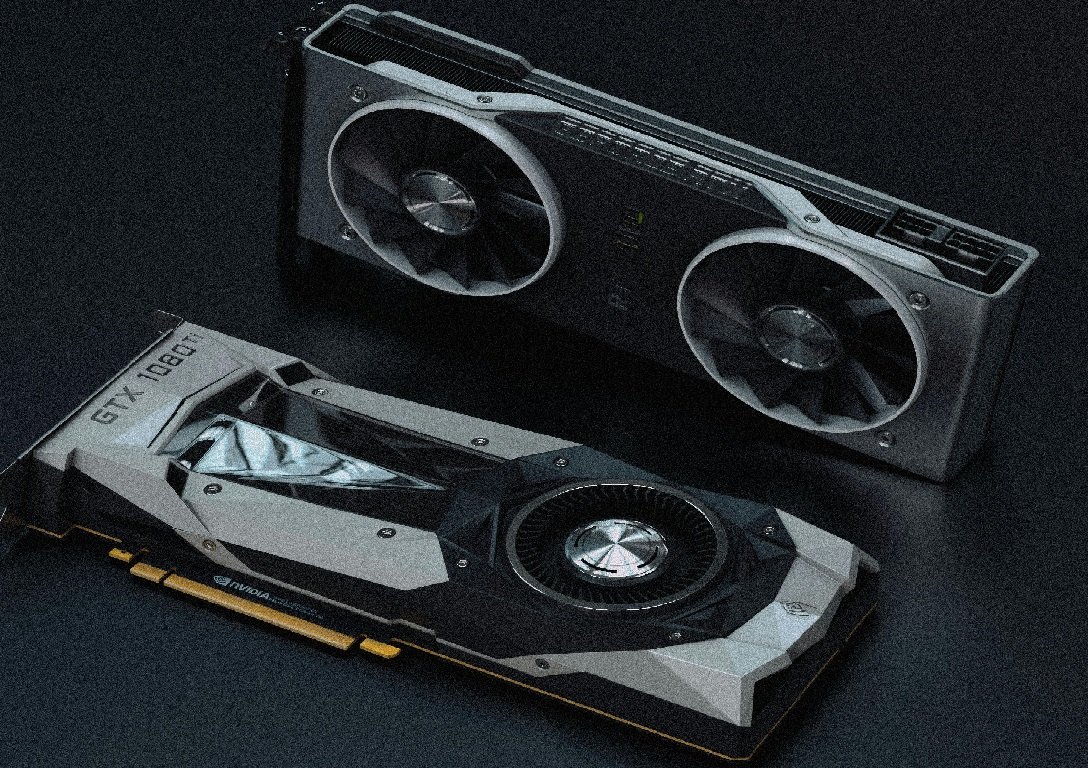
Edge AI devices are equipped with specialized hardware such as GPUs and TPUs that accelerate AI processing tasks, allowing for complex computations to be performed locally. This not only enhances the performance of AI applications but also reduces the dependency on cloud infrastructure, making edge AI suitable for use cases where low latency and high availability are critical.
Edge computing for AI is particularly valuable in scenarios where connectivity is limited or unreliable, such as in remote locations or industrial settings. By processing data locally, edge AI devices can continue to operate even when disconnected from the cloud, ensuring uninterrupted functionality and enabling autonomous decision-making in dynamic environments.
Furthermore, edge AI enables organizations to minimize data transfer costs and address data privacy concerns by keeping sensitive information on-premises. By analyzing and extracting insights from data locally, organizations can maintain greater control over their data while complying with data protection regulations.
Overall, edge computing for AI is poised to drive the next phase of AI innovation by bringing intelligent capabilities to the edge of the network. As the adoption of IoT devices continues to rise and the demand for real-time processing grows, edge AI devices will play a pivotal role in shaping the future of AI-powered applications and services. By harnessing the power of edge computing for AI, organizations can unlock new possibilities and deliver smarter, more responsive experiences to users across various industries.
Leave a Comment:
SEARCH
Recent News
- Zurich, Switzerland: Exploring Numerical Methods
- Zurich, Switzerland is a vibrant and cosmopolitan city known for its stunning natural beauty, historic architecture, and high quality of life. In recent years, Zurich has also gained recognition as a leading global financial hub and a key player in the digital economy. One interesting aspect of Zurich's thriving business landscape is its establishment as a "matrix" for various industries and technologies.
- Zurich, Switzerland is not only known for its stunning views, vibrant culture, and high standard of living, but also for its strong emphasis on mathematics education. With a rich history in the field of mathematics and a commitment to excellence in STEM (Science, Technology, Engineering, and Mathematics) education, Zurich has established itself as a hub for mathematical research and innovation.
- Tips for Creating and Translating Math Content for YouTube
- Exploring Numerical Methods on YouTube Channels
- YouTube has become a popular platform for learning and education, offering a plethora of content from various fields, including mathematics. There are numerous YouTube channels dedicated to making math more accessible and engaging for viewers of all ages and skill levels. These channels cover a wide range of topics, from basic arithmetic to advanced calculus, making it easier for those seeking to improve their mathematical understanding.
- The topic "World Cup Numerical Methods" suggests exploring the intersection of two seemingly unrelated fields - sports and mathematics. The World Cup, being one of the most popular sporting events in the world, attracts millions of fans and showcases top teams competing for the prestigious title. On the other hand, numerical methods are a set of techniques used in mathematics to solve complex problems that are otherwise difficult to handle manually.
- The World Cup is one of the most highly anticipated and exciting sports events that captivates audiences around the globe every four years. While fans everywhere are glued to their screens watching the action unfold on the field, there is also a world of mathematics behind the scenes that adds another layer of intrigue to the tournament.
READ MORE
11 months ago Category :

Zurich, Switzerland: Exploring Numerical Methods
Read More →11 months ago Category :

Zurich, Switzerland is a vibrant and cosmopolitan city known for its stunning natural beauty, historic architecture, and high quality of life. In recent years, Zurich has also gained recognition as a leading global financial hub and a key player in the digital economy. One interesting aspect of Zurich's thriving business landscape is its establishment as a "matrix" for various industries and technologies.
Read More →11 months ago Category :

Zurich, Switzerland is not only known for its stunning views, vibrant culture, and high standard of living, but also for its strong emphasis on mathematics education. With a rich history in the field of mathematics and a commitment to excellence in STEM (Science, Technology, Engineering, and Mathematics) education, Zurich has established itself as a hub for mathematical research and innovation.
Read More →11 months ago Category :
